All of us at Mark English architects, and most of the rest of our colleagues, are involved in thinking about and implementing Green Building practices. Last year the Greenbuild Expo arrived in San Francisco, and several of our employees attended. One of them is Benjamin Todt, a German architectural intern. Germany is a leading proponent of Green design, and [...]
Continue Reading
Occasionally at Green Compliance Plus, we host guest articles from members of our community. Here is one perspective from the Insurance Industry.
People who are building or already own sustainable homes understand that their homes will use less energy and water. What they might not realize is that their homes also are much safer than conventionally built homes. Or that the enhanced safety features can result in less risk for home insurers and better rates for coverage. [...]
Continue Reading
Dramatic Second-Story Addition: Another Tough Compliance Problem Solved
Posted on 06. Feb, 2012 by Rebecca Firestone.
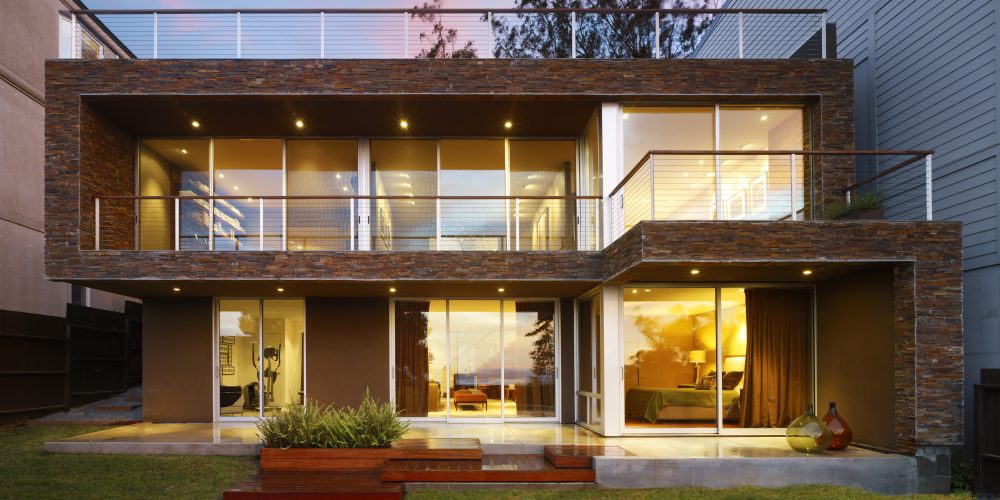
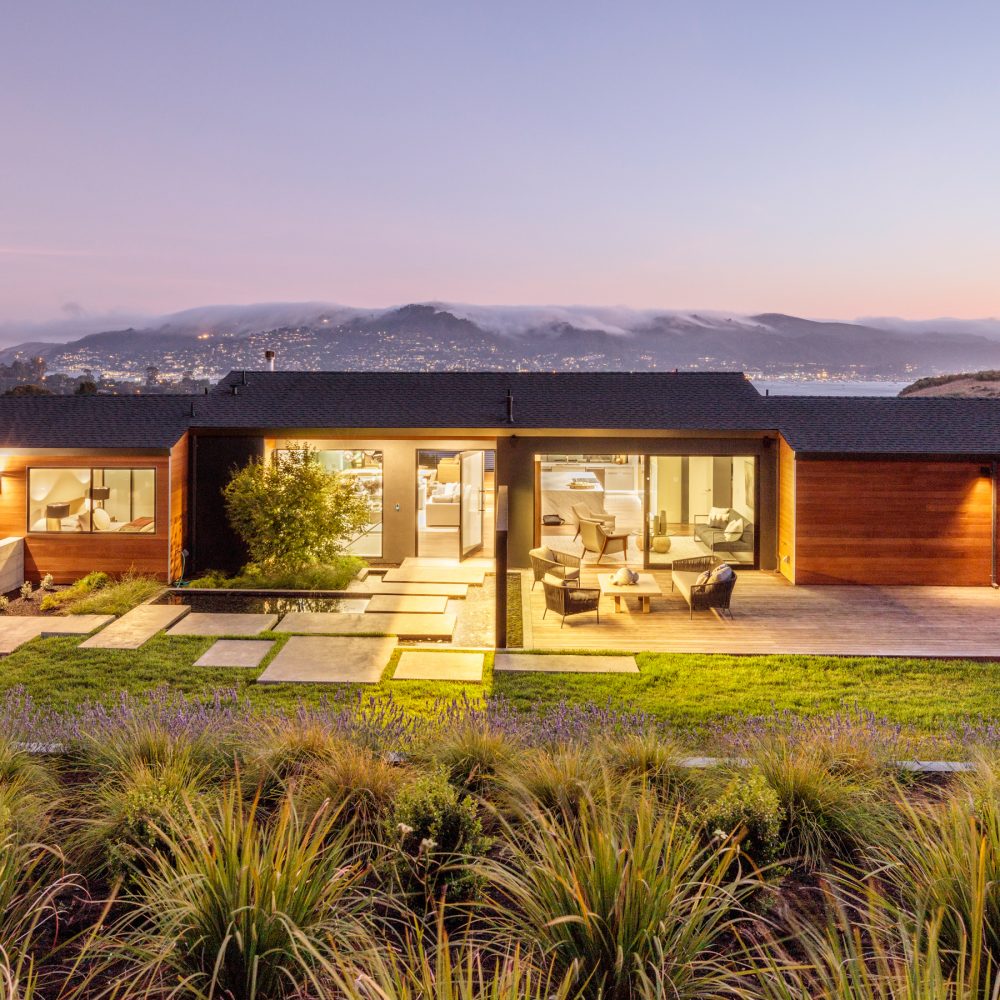
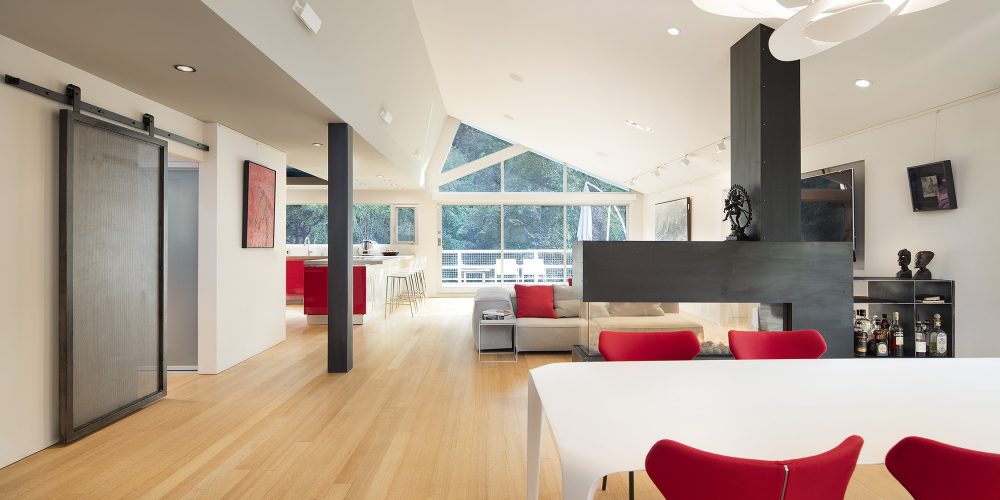
In early October, I got a call from Steven House of House+House Architects. They were doing a remodel in Marin and needed our Title 24 energy services. House+House is an award-winning firm whose focus is mainly single-family custom home design. Their work is characterized by a daring contemporary sensibility, and they have a large body of work both within California and also in Mexico.
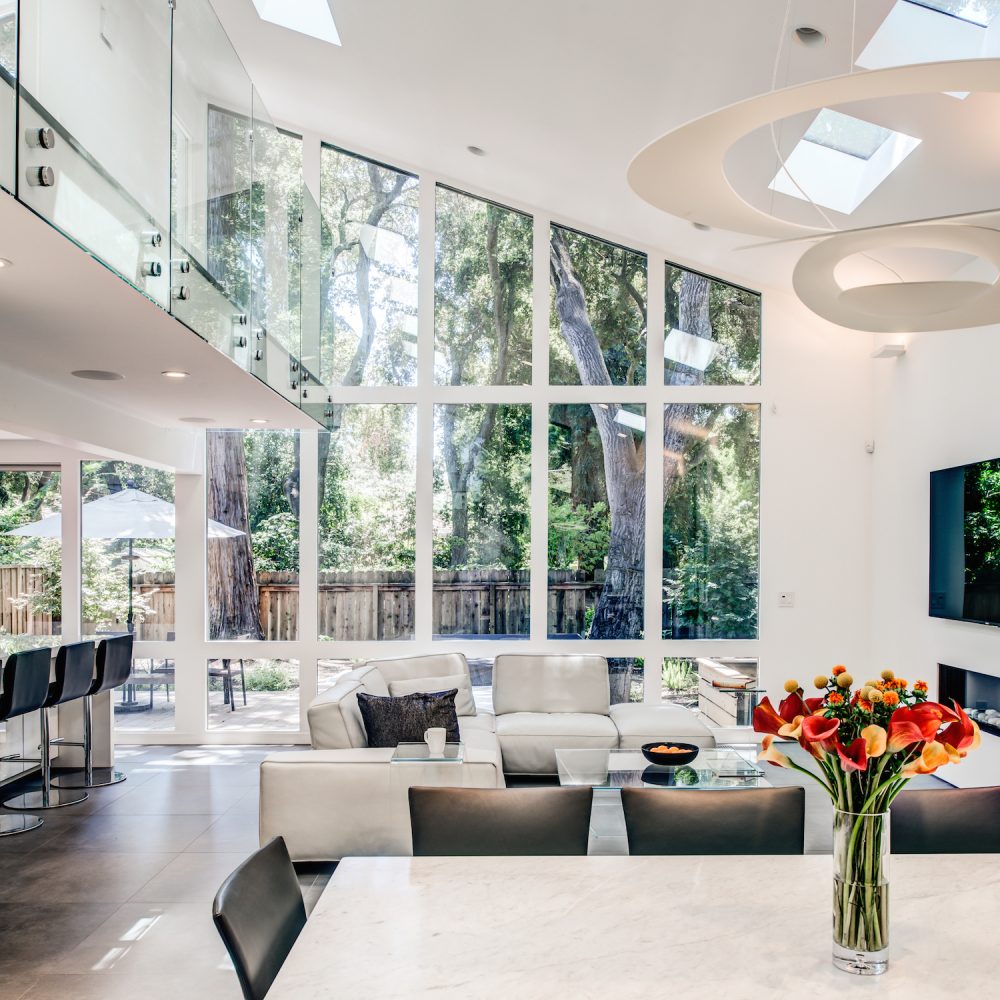
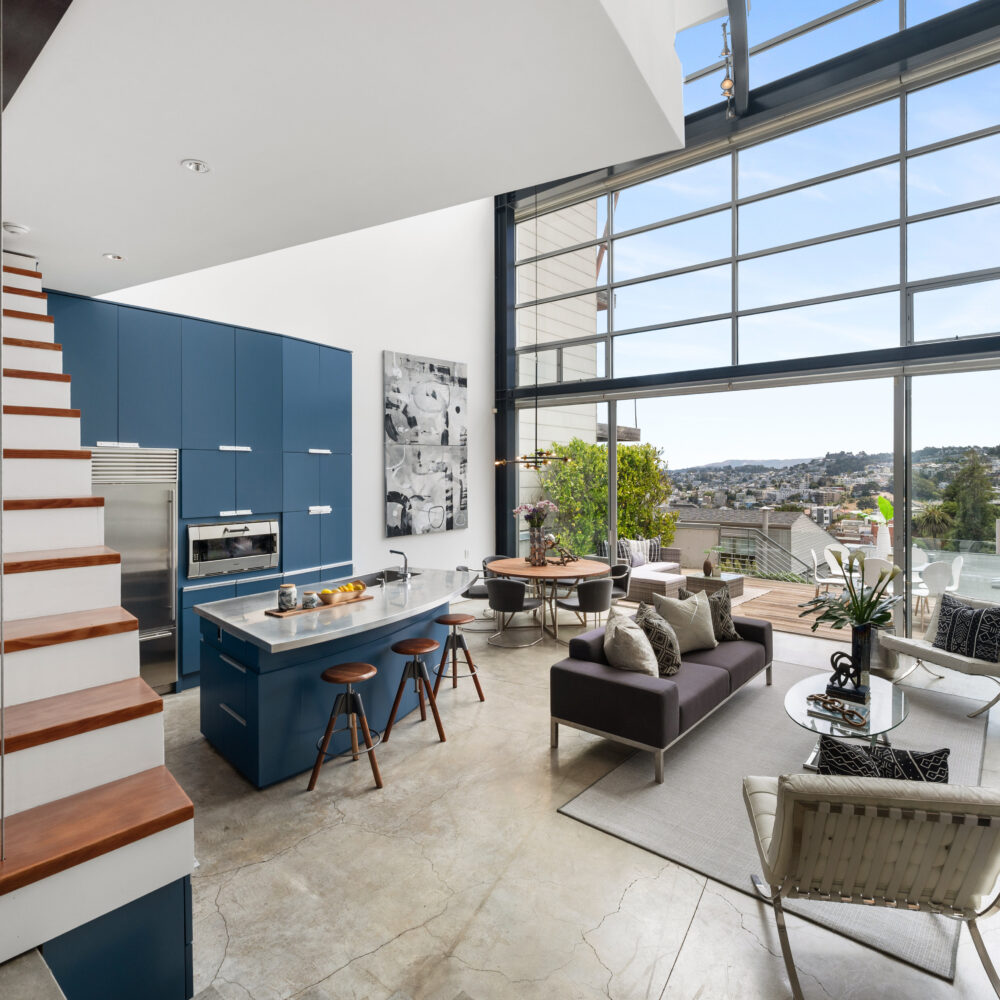
So what do daring designs have to do with Title 24 energy compliance? Well, they need a lot of special attention because they often feature expansive windows to celebrate the crisp and brilliant California sunshine, and in the North Bay area, they let in gorgeous views as well. Vaulted ceilings, also a common design feature, can require special attention to the roof assembly to ensure that there’s enough space to fit the necessary amount of insulation.
Continue Reading
The Curious Case of Dr. X and the Burlingame Green Building Ordinance
Posted on 30. Jan, 2012 by Rebecca Firestone.
“People don’t understand the impact of ‘beyond compliance’ and what it requires,” said Mark English, as we were discussing Title 24 energy compliance for various types of custom home designs and remodels. “They don’t understand the difficulty of getting even very small additions to comply – and if they have to meet local green building ordinances that require exceeding Title 24 by 15% or more, it’s even more challenging.”
Continue Reading
This news flash about a seemingly obscure topic is of immediate importance to all our architect Title 24 clients -and it’s good news for a change. The Quality of Insulation Installation credit is a HERS test that can help design projects to achieve Title 24 energy compliance, and we’ve had a couple of nasty surprises with it in the past.
Apparently, up until around yesterday, the California Energy Commission did not officially recognize the QII test as valid for open-cell spray foam. Our insulation expert James Morshead of SDI Insulation actually sent me an urgent email yesterday with the news, saying:
Continue Reading
Just last month, we interviewed the landscape architecture firm Arterra LLP on our sister blog, The Architect’s Take. Kate Stickley and Vera Gates were so much fun that I thought I’d ask them about Living Roofs – not exactly energy compliance, but a “green building” topic nonetheless. Turns out they’ve done several, and as landscape architects, they bring an artistry and a focus on creating a meaningful sense of place… it’s not just a functional piece of “turf” for a corporate building, where no one ever actually goes up there to enjoy it.
Continue Reading
Water Heating Efficiency and Residential Title 24 Compliance
Posted on 29. Sep, 2011 by Rebecca Firestone.
OK, I’m the first to admit that I know next to nothing about water heaters. Aren’t they those white cylinders that live in garages, as far as possible from the kitchen and the shower? Well… yes and no. In our Title 24 work, which is architect-designed custom single-family projects, the water heater is usually the last thing on anyone’s mind. However, on many of our analysis projects, the quickest, cheapest way to comply with California’s stringent energy-efficiency requirements has been to upgrade the water heater – and sometimes, to include a solar hot water credit.
This article explains how to assess water heater efficiency numbers, including the use of a handy lookup database at the California Energy Center’s web site.
Continue Reading
CalCERTS Registry Now Required for All Residential Projects
Posted on 15. Sep, 2011 by Rebecca Firestone.
As most of our readers now know, California’s energy code got a lot stricter in January of 2010. Increasingly, HERS tests are required to comply, even for custom residential projects. HERS tests are special third-party field inspections for things like ductwork, insulation, and air-conditioner efficiency. These tests are called out on the Title 24 energy compliance report, also known as the CF-1R. This energy report must be included on all Building Department submittals statewide throughout California to obtain a building permit. The energy report is then reviewed as part of the plan check process.
And now, a new requirement, or really an old one that’s just now being enforced: All CF-1R reports that call for a HERS test must be officially “registered”. Don’t say we didn’t warn you. Plan checkers are starting to kick back custom residential submittals if they don’t see a CalCERTS watermark on the energy report.
Continue Reading
Every so often at the AIA-San Francisco Small Firms group, we debate amongst ourselves whether getting our residential projects LEED certified is worth the effort. For most of us, with one-off custom residential new homes or remodels, the answer is no – too cumbersome and expensive. If someone is just looking for “green certification” for a California home project, the GreenPoint Rated system from BuildItGreen is a lot more flexible and user-friendly. However, there are a few architects who’ve really made a big push towards LEED certification on some of their homes. So, what are they getting out of it? How do you decide whether to go for GreenPoints or LEED, and what needs to happen with LEED for the process to go smoothly?
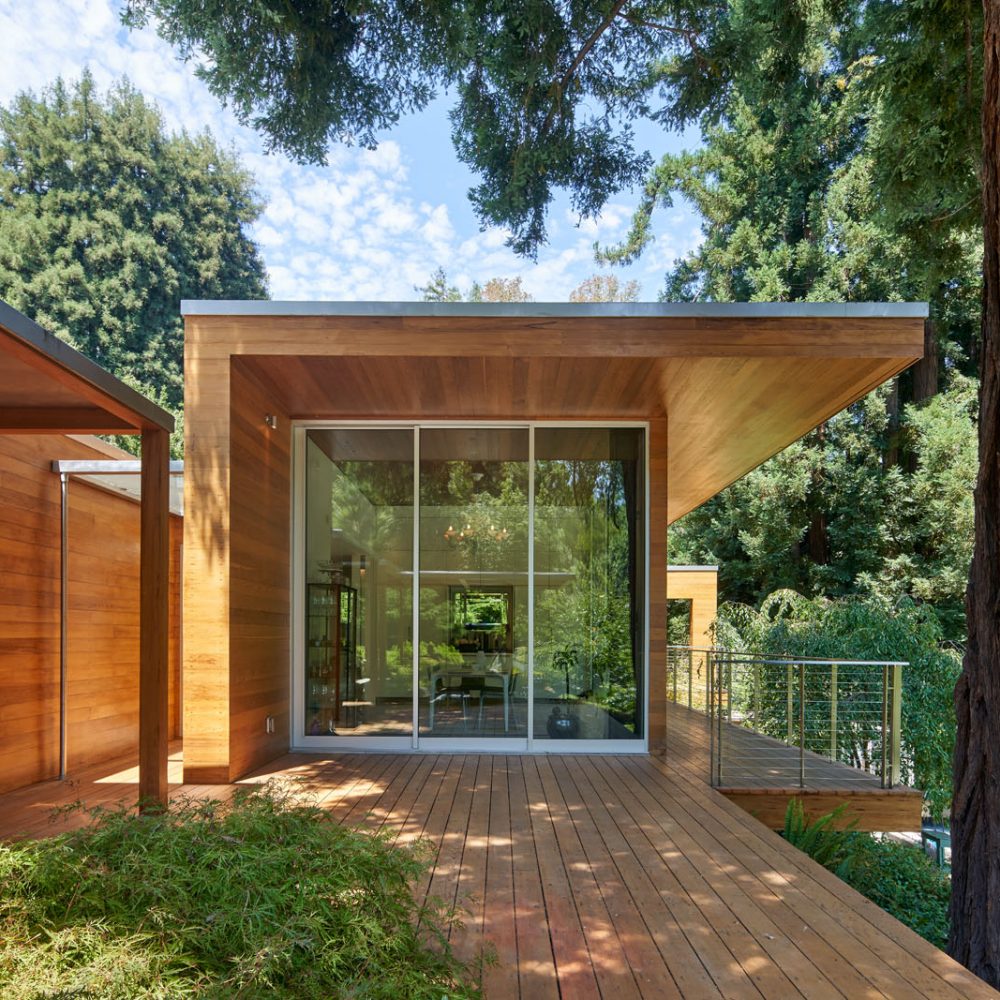
(Home shown above is designed by Sparano + Moody Architecture, and has earned LEED Silver certification. But LEED homes don’t all have to be in the wilderness, either.)